Soap Paper Sleeve Box Packaging Dieline: A Versatile and Customizable Solution for Creative Packaging
Packaging plays a crucial role in product presentation, branding, and functionality. For artisans, small business owners, and DIY enthusiasts, finding the right packaging solution that balances aesthetics, usability, and customization is essential. One such option gaining popularity is the Soap Paper Sleeve Box Packaging Dieline. This design provides a structured yet flexible framework for creating elegant, foldable boxes tailored to specific needs—especially for handmade or retail soaps. In this article, we’ll explore what makes this dieline unique, how it compares to other packaging options, and when it might be the best fit for your project.
What Is Soap Paper Sleeve Box Packaging Dieline?
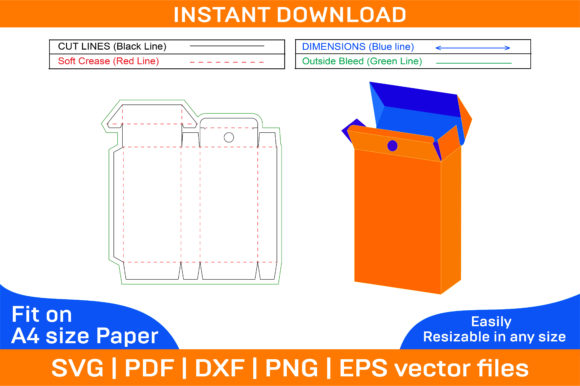
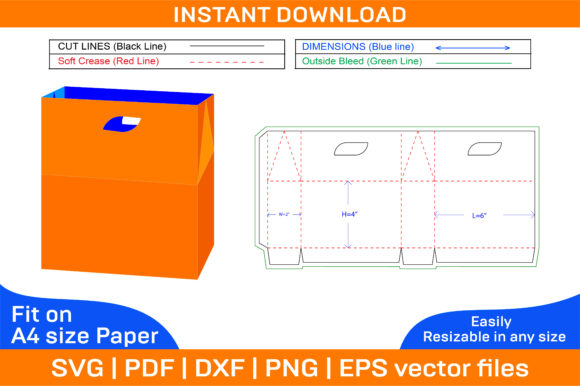
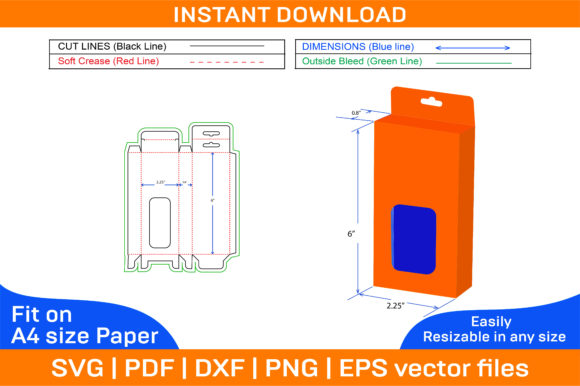
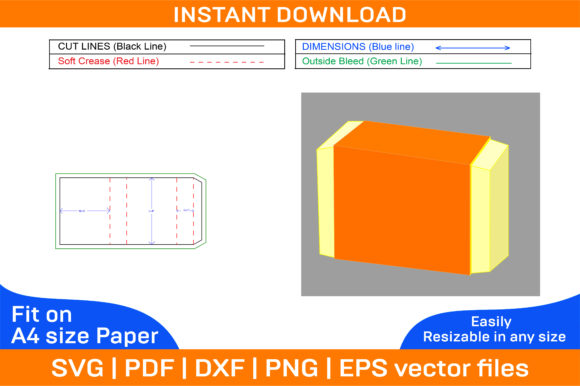
A dieline refers to the template used in packaging design to indicate where the box will be cut, folded, and glued. The Soap Paper Sleeve Box Packaging Dieline is specifically crafted for soap products and features a sleeve-style structure that allows the box to encase another container or display the soap directly. These templates are often provided as digital files, enabling users to print them at home or through professional services and assemble the final product manually.
The term "sleeve box" describes a type of packaging that slips over an existing item (like a jar or bar) or stands on its own as a decorative holder. It’s particularly useful for items like soap bars, candles, or cosmetics, offering both protection and an attractive display. The Soap Paper Sleeve Box Packaging Dieline typically includes all necessary folding and cutting lines, ensuring ease of assembly even for those new to packaging creation.
Key Features and Benefits
- Customization: The dieline comes in both color and blank versions, allowing you to choose whether to use pre-printed designs or add your own custom artwork.
- Print Compatibility: Designed for A4 paper size, these templates can be printed easily at home. However, since they’re vector-based, they maintain high quality regardless of the paper size used.
- High-Resolution Files: With support for formats like SVG, PDF, EPS, DXF, AI, and PNG, and a resolution of 300 dpi, the files ensure sharp, clear prints suitable for both personal and commercial use.
- Software Compatibility: These templates work seamlessly with popular design tools such as Photoshop, Illustrator, Silhouette Studio, Cricut Design Space, and AutoCAD, making them accessible to a wide range of creators.
- Instant Download: After purchase, the ZIP archive containing all the files is available immediately, saving time and effort compared to waiting for physical samples or materials.
How It Compares to Other Packaging Options
When evaluating packaging solutions, it's important to consider alternatives and their suitability for different purposes. Let’s look at how the Soap Paper Sleeve Box Packaging Dieline stacks up against some common options:
1. Standard Cardboard Boxes
Traditional cardboard boxes offer durability but often lack the visual appeal and personalization potential of the sleeve box dieline. While they may be more cost-effective for large-scale production, they don’t provide the same level of creative control or eco-friendly appeal. If you're looking to highlight the natural or artisanal aspect of your soap, the sleeve box can be a better choice due to its customizable surface and minimalist design.
2. Rigid Boxes
Rigid boxes are known for their premium look and robust construction. However, they require specialized manufacturing and are usually more expensive. The Soap Paper Sleeve Box offers a lightweight alternative that still maintains a professional appearance when assembled correctly. It's also easier to modify and produce in smaller batches, which is ideal for startups or hobbyists.
3. Pre-Made Folding Boxes
Many online retailers sell ready-to-assemble folding boxes for soap packaging. While convenient, these often come with limited customization options. The dieline approach gives you full control over the design, colors, and branding elements. You can incorporate your logo, patterns, or even QR codes, making it a more personalized and adaptable option.
4. Digital Templates vs. Physical Packaging Kits
Physical packaging kits include pre-cut materials and instructions but are less versatile than downloadable dielines. Since the Soap Paper Sleeve Box Packaging Dieline is a digital file, you can adjust its size, layout, or artwork without needing to order new supplies. This flexibility is especially valuable if you plan to create multiple variations or test different designs before committing to a final one.
Strengths and Tradeoffs of Using the Dieline
Like any packaging format, the Soap Paper Sleeve Box has strengths and limitations depending on your needs. Here's a closer look at its pros and cons:
Strengths
- Design Freedom: Whether you prefer a minimalist look or intricate illustrations, the blank template serves as a perfect canvas for your creativity.
- Eco-Friendly Materials: Made from paper, these boxes are biodegradable and sustainable, aligning well with green business practices.
- Cost Efficiency: Printing your own boxes using standard paper reduces material costs significantly, especially for small quantities.
- Professional Appearance: When designed thoughtfully, the finished box looks polished and can elevate the perceived value of your product.
Tradeoffs
- Assembly Time: Unlike pre-made boxes, this dieline requires manual assembly. While not overly complicated, it does take more time and attention to detail.
- Limited Structural Support: Depending on the thickness of the paper used, the sleeve box may not be suitable for heavy or oddly shaped items.
- No Built-In Protection: If moisture resistance or enhanced durability is required, additional coatings or inserts may be necessary.
Best-Fit Situations for the Soap Paper Sleeve Box
This type of packaging is particularly suited for certain scenarios. Consider using the Soap Paper Sleeve Box Packaging Dieline if:
- You’re selling handmade or niche soap products and want to emphasize their artisanal nature through custom packaging.
- You need a quick and affordable way to package small batches of soap for local markets or pop-up shops.
- You're looking to experiment with different styles, sizes, or branding strategies before settling on a long-term packaging solution.
- Your target audience values sustainability and minimalistic, eco-conscious designs.
For example, a small skincare brand launching a line of organic soaps could use this dieline to showcase each product’s unique ingredients and benefits through custom-printed sleeves. Similarly, a gift shop selling seasonal soaps might change the box art quarterly to reflect holidays or themes, using the same underlying structure for consistency and efficiency.
Limitations and When to Choose Another Option
While the Soap Paper Sleeve Box is highly versatile, it isn't always the best choice. You might want to consider other packaging types if:
- You need packaging that can hold liquids or gels in addition to solid soaps.
- Your product requires reinforced corners or structural stability beyond what a single-layer paper box can offer.
- You're producing large volumes and need automation in the packaging process.
- You’re targeting a market where customers expect luxury or high-end finishes that go beyond what paper sleeves can provide.
In such cases, rigid boxes or plastic containers might be more appropriate. For instance, if your soap is wrapped in a glass jar and needs to be protected during shipping, a sturdier box with internal padding would serve better. Likewise, if you're preparing gifts for a wedding or upscale event, you might opt for a box with magnetic closures or velvet lining instead.
Creating Your Own Custom Soap Packaging
One of the main advantages of the Soap Paper Sleeve Box Packaging Dieline is its adaptability. Since the files are vector-based, you can scale them without losing quality. This means you can tailor the box dimensions to fit various soap sizes, from small travel bars to oversized bath bombs.
To get started, download the ZIP file and open it in your preferred design software. The color template is ideal for printing directly, while the blank version allows you to apply your own branding. Once printed, follow the folding and gluing instructions carefully. Many users find it helpful to print on heavier cardstock for added durability, especially if the box will be handled frequently or shipped.
Here’s a simple workflow:
- Select the appropriate file format (SVG, AI, etc.) based on your design tool.
- Open the file and adjust colors, text, or images to match your theme.
- Print the template on your chosen paper stock.
- Cut along the outlined lines and fold the box according to the indicated creases.
- Secure the box with glue or tape, and insert your soap inside.
Choosing the Right Format for Your Needs
Each file format included in the ZIP archive serves a different purpose, and selecting the right one depends on your design experience and equipment:
- SVG: Ideal for use in cutting machines like Silhouette or Cricut. Allows precise cutting and scoring for clean folds.
- PDF: Great for printing and viewing the layout accurately. Suitable for most home printers and design software.
- EPS & AI: Best for advanced designers who need to edit the vector paths or integrate complex graphics.
- PNG: Useful for previewing the design visually or for laser engraving tasks.
- DXF: Compatible with CAD software and CNC machines for industrial-level production or large orders.
Understanding these differences helps you make an informed decision about which format will give you the best results for your specific setup and goals.
Final Thoughts on Fit and Flexibility
The Soap Paper Sleeve Box Packaging Dieline is a powerful resource for anyone looking to enhance their product presentation with minimal investment. Its blend of practicality and creative freedom makes it an excellent choice for small businesses, crafters, and entrepreneurs who prioritize branding and sustainability. However, it's not a one-size-fits-all solution. If your needs involve heavy-duty protection, automated production, or luxurious finishes, there are other options worth considering.
Ultimately, the decision should be based on your product’s requirements, your budget, and your ability to handle the design and assembly process. By weighing the strengths and tradeoffs of the dieline approach, you can determine whether it aligns with your goals—or if another packaging method might be a better fit.