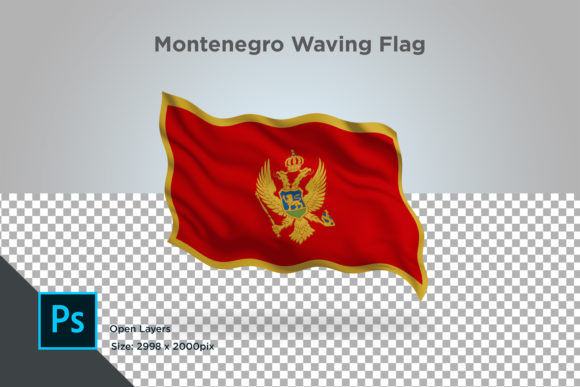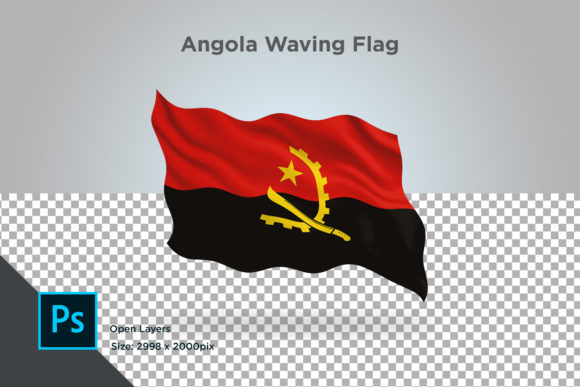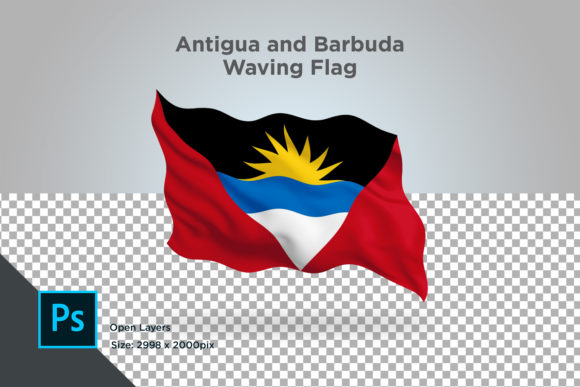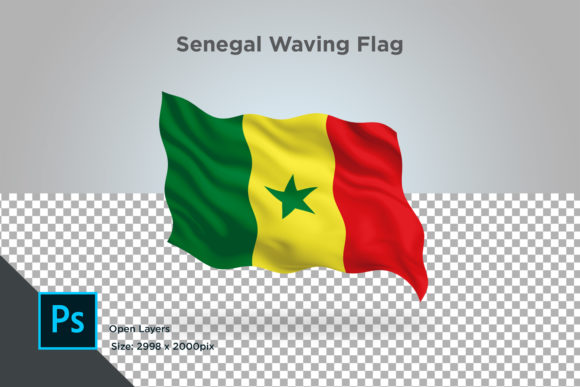
Ghana Waving Flag: A Powerful Design Element for Global Projects
When it comes to creating compelling visual content, especially in the realm of international branding or geographic representation, the Ghana Waving Flag is a standout asset. This design element offers more than just an aesthetic appeal—it serves as a practical tool for professionals and creatives who need accurate, high-quality flag imagery integrated into their projects. Whether you're working on marketing materials, educational resources, website graphics, or creative illustrations, the Ghana Waving Flag provides a realistic and dynamic way to showcase national identity.
What Is the Ghana Waving Flag?
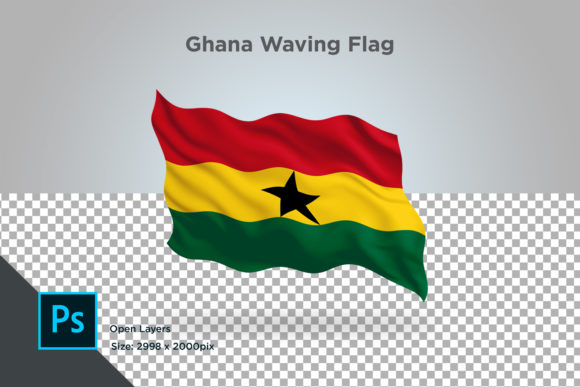
The Ghana Waving Flag refers to a 3D illustration of the national flag of Ghana in motion—specifically, in a waving position. It's designed with precision to reflect the true colors and structure of the Ghanaian flag while adding movement that makes it visually engaging. The file typically includes both a JPEG format and a layered PSD file (2998 x 2000 px), which allows for easy editing and customization using smart objects in Adobe Photoshop.
This type of flag design is particularly useful for those who require a clean background or want to overlay the flag onto other images without worrying about color bleed or alignment issues. Each layer is clearly labeled, making it simple to adjust elements like the flag’s position, lighting, or shadow effects independently.
Use Cases for the Ghana Waving Flag
Designers and marketers often use flags in presentations, infographics, banners, and promotional materials. The Ghana Waving Flag fits seamlessly into these scenarios due to its realism and adaptability. Here are some common use cases where this resource proves invaluable:
- International Marketing Campaigns: When targeting audiences in Ghana or promoting pan-African initiatives, the waving flag can be used to add authenticity and cultural relevance to your designs.
- Website Headers and Footers: The flag can serve as a decorative yet informative element, especially if the site caters to global users or has a regional focus.
- Event Branding: For conferences, summits, or cultural events related to Africa or specifically to Ghana, incorporating the waving flag enhances the visual theme and helps set the tone.
- Product Packaging and Merchandise: Flags are often used in travel-related products, souvenirs, or merchandise to indicate origin or target market.
- Educational Content: Teachers and educators can use the flag in geography lessons or historical timelines to illustrate Ghana’s presence on the world stage.
Integrating the Ghana Waving Flag Into Your Workflow
Using the Ghana Waving Flag effectively requires understanding how to incorporate it into your existing workflow. Here’s how it can be utilized at different stages of a project:
Before the Project Begins
If you’re planning a design project that involves national symbols, it's wise to gather all necessary assets upfront. The Ghana Waving Flag should be included in your list of required visuals, especially if you anticipate needing to modify it later. Having the layered PSD file ensures that you can easily tweak the flag’s appearance before finalizing your layout.
During the Design Process
Once you’ve opened the PSD file in Photoshop, take advantage of the smart object layers. These allow for non-destructive editing, so you can resize, recolor, or reposition the flag without losing quality. Because each flag is isolated on its own layer, it becomes straightforward to manage multiple flags in a single composition—ideal for comparing countries or building a collage of nations.
For example, when designing a global map infographic, you might place the Ghana Waving Flag over the country’s location. Its waving motion adds a sense of life and engagement that static flags lack. You can also blend it with other design elements like text, icons, or product mockups to create a cohesive and professional look.
After Completion
Once the design is finalized, the JPEG version of the Ghana Waving Flag is perfect for exporting and sharing across digital platforms. It maintains clarity and detail, ensuring your work looks polished whether printed or displayed online. Additionally, because the flag is part of a larger collection of official country flags, you may find yourself returning to the bundle for other flags not initially needed but relevant to future tasks.
How the Ghana Waving Flag Works With Other Tools
The Ghana Waving Flag isn’t a standalone solution; it works best when paired with other tools and methods. Here are some key integrations to consider:
- Adobe Photoshop: As mentioned earlier, the smart object functionality in Photoshop allows for seamless integration and modification. This makes it ideal for designers who prefer a hands-on approach to image editing.
- Graphic Design Software: If you're using other tools like Illustrator or Inkscape, you can import the JPEG or vector-based versions of the flag and align them with your project’s specifications.
- Content Management Systems (CMS): Once exported, the flag can be uploaded directly to CMS platforms such as WordPress, Shopify, or Squarespace, making it accessible for web developers and bloggers alike.
- Video Editing Platforms: For animated projects or video content, the flag can be imported into software like After Effects to simulate motion or transition effects.
Practical Tips for Using the Ghana Waving Flag
To get the most out of the Ghana Waving Flag, here are a few actionable tips that can help streamline your process:
- Organize Layers: Even though the file is well-structured, spend a few minutes renaming or grouping layers to suit your specific project needs. This improves efficiency during edits.
- Test Compatibility: Before committing to a full project, test the flag in the intended platform or print medium to ensure colors render correctly and resolution meets expectations.
- Combine With Cultural Assets: Pair the flag with other Ghanaian cultural symbols like traditional patterns, local landmarks, or indigenous typography to create a rich, authentic design.
- Optimize for Web Use: If using the JPEG for online purposes, compress the image using tools like TinyPNG or Photoshop’s export settings to maintain quality while reducing file size.
- Request Additional Flags: If your project requires other flags not included in the bundle, reach out to the provider for additions. This flexibility ensures your designs remain consistent and comprehensive.
Ensuring Quality and Consistency
One of the main advantages of using a professionally created asset like the Ghana Waving Flag is the assurance of quality and consistency. Unlike generic stock images, this flag is crafted with attention to detail, including correct proportions, color accuracy, and dynamic positioning.
To maintain consistency across your project, use the same flag style for all countries involved. If the bundle includes additional flags in the same 3D waving format, they’ll match perfectly in terms of lighting, texture, and motion. This uniformity is essential for anything from data visualization to brand collateral that spans multiple regions.
Also, make sure to keep a backup of the original PSD file. Should you need to go back and make changes later, having access to the smart objects and organized layers will save time and reduce errors.
Long-Term Use and Reusability
Because the Ghana Waving Flag is delivered in a layered format, it's highly reusable. You can repurpose it across various projects by adjusting colors, backgrounds, or even combining it with other flags for comparative analysis or multi-country campaigns.
Consider creating a library of flags in similar formats for long-term use. This can be especially beneficial for freelancers, entrepreneurs, or agencies that frequently handle international clients or themes. Over time, such a library reduces the need to source new assets and speeds up the design process significantly.
Workflow Examples
Here are a few real-world examples of how the Ghana Waving Flag can be implemented within different workflows:
Example 1: International Conference Poster
A graphic designer tasked with creating a poster for an international development conference uses the Ghana Waving Flag to represent one of the participating countries. They place the flag next to a short description of Ghana’s contributions to the event. By using the smart object in Photoshop, they quickly change the background color to match the conference theme, ensuring the flag remains vibrant and legible.
Example 2: E-commerce Product Listing
An e-commerce store selling African-inspired home decor imports the Ghana Waving Flag into a product listing for a Ghanaian-made textile. The flag is positioned subtly in the corner of the image to reinforce the product’s origin without overpowering the design. The JPEG format is optimized for fast loading on the product page, enhancing user experience.
Example 3: Infographic for a Geography Blog
A blogger preparing an infographic about the history of African independence includes the Ghana Waving Flag as a timeline marker. They extract the flag from the PSD file and scale it down to fit alongside other flags in the layout. The organized layers allow them to apply a soft drop shadow to the flag, blending it naturally with the rest of the design.
Factors to Consider When Using the Ghana Waving Flag
Several factors influence how effectively you can use the Ghana Waving Flag in your work. Understanding these can help you avoid common pitfalls and maximize the value of the asset:
- Preparation: Know your project requirements beforehand. Decide if you need the flag alone or as part of a larger collection.
- Compatibility: Ensure the flag format works with your design tools. The PSD file is ideal for Photoshop users, while the JPEG is better suited for quick exports and web use.
- Usability: Test the flag in different contexts. Will it look good in black and white? How does it appear on mobile devices versus desktop screens?
- Organization: Keep the layers tidy and name them logically. This makes future edits easier and keeps your design files manageable.
- Efficiency: Use smart objects to minimize the number of edits needed. This saves time and preserves the integrity of the original artwork.
- Consistency: Match the flag’s style with any other flags or design elements in the project to maintain a cohesive visual language.
- Quality Control: Always review the final output before publishing. Check for pixelation, misalignment, or color shifts that could affect the overall look.
Conclusion
The Ghana Waving Flag is more than just a design element—it's a versatile tool that supports a wide range of creative and professional workflows. From marketing to education, its realistic 3D presentation and layered structure offer both flexibility and control. By integrating this asset thoughtfully, you can enhance your visual storytelling and deliver content that resonates with global audiences.
Whether you're a seasoned designer or just starting out, the Ghana Waving Flag helps you bring national pride and international awareness into your work with ease. As you continue to explore its applications, remember that preparation, compatibility, and organization are key to unlocking its full potential in your projects.