Dynamic Abstract Vector Background: A Modern Design Solution for Creative and Business Applications
A Dynamic Abstract Vector Background is a digital design element that combines abstract art with vector-based animation to create visually engaging, scalable, and adaptable backdrops. These backgrounds are widely used in web design, branding, presentations, and digital media due to their flexibility, aesthetic appeal, and ability to enhance visual storytelling. Unlike static images or complex animations, dynamic abstract vector backgrounds offer a balance between motion and minimalism, making them ideal for environments where creativity meets functionality.
What Makes a Dynamic Abstract Vector Background Unique?
The term “dynamic” refers to the animated aspect of these backgrounds, which can include subtle movements like flowing lines, shifting colors, or morphing shapes. The “abstract” nature means they don’t represent real-world objects but instead focus on geometric patterns, curves, grids, and other non-representational forms. These elements are created using vector graphics, ensuring crisp, clear visuals at any size or resolution.
- Scalability: Vector formats allow for infinite resizing without loss of quality, which is crucial for responsive web design and high-resolution displays.
- Animation Capabilities: With modern tools like SVG (Scalable Vector Graphics) and CSS animations, designers can add motion to vector backgrounds, creating immersive experiences without heavy file sizes.
- Minimalist yet Engaging: These backgrounds often feature soft gradients, glowing effects, and clean lines that maintain a sleek look while still drawing attention through movement.
- Adaptability: They can be easily customized to match brand colors, themes, or project requirements, offering both creative freedom and consistency.
Key Features and Visual Characteristics
Dynamic abstract vector backgrounds typically incorporate several key features that set them apart from traditional static designs:
- Color Dynamics: They use color transitions, gradients, and chromatic shifts to evoke emotions and guide visual flow. Shades of black, grey, white, and bright hues are common choices for a modern and professional feel.
- Motion Elements: Subtle animations such as wave-like movements, drifting particles, or rotating geometric shapes add depth and interest without overwhelming the viewer.
- Structure and Pattern: These backgrounds often rely on structured arrangements of lines, curves, and grids to form cohesive patterns that support futuristic or technological aesthetics.
- Light and Glow Effects: Incorporating light sources or glow effects helps simulate energy and shine, contributing to a sense of innovation and elegance.
- 3D and Perspective: Some designs integrate 3D layers or simulated perspective to create spatial illusions, enhancing the perception of depth and complexity.
This combination of elements results in a backdrop that is not only visually appealing but also versatile enough to serve multiple purposes—from corporate websites to artistic portfolios.
When to Choose a Dynamic Abstract Vector Background
Dynamic abstract vector backgrounds are particularly well-suited for projects where the following qualities are desired:
- Modern Branding: Companies aiming for a contemporary and innovative image can benefit from the sleek, tech-forward appearance of these designs.
- Interactive Websites: Animated vector backgrounds can be used effectively on landing pages, homepages, or portfolio sites to engage users without slowing down performance.
- Presentations and Slides: In business settings, a moving abstract background can subtly reinforce themes of progress, movement, and structure, supporting content delivery without distracting viewers.
- Graphic Design Projects: Designers working on posters, digital illustrations, or UI/UX elements appreciate the flexibility and scalability of vector-based animation.
- Wallpaper and Digital Art: For personal or professional digital spaces, these backgrounds provide an elegant, eye-catching option that adapts well to different screen sizes and resolutions.
Strengths of Dynamic Abstract Vector Backgrounds
One of the primary advantages of this format is its ability to deliver high-quality visuals with relatively low file sizes. This efficiency makes it suitable for mobile-first designs and fast-loading web pages. Additionally, the abstract nature allows for greater customization compared to photo-based or rigidly structured backgrounds.
Another strength lies in the seamless integration with digital platforms. Because they’re built using vector technology, they scale perfectly across devices—whether viewed on a smartphone, tablet, or large monitor. The dynamic aspect further enhances user engagement by adding a sense of motion and life to otherwise static layouts.
Moreover, these backgrounds support a wide range of styles, from minimalist and monochromatic to vibrant and textured. This adaptability ensures they can align with diverse design philosophies, including concepts centered around space, technology, or abstract art.
Tradeoffs and Limitations
Despite their many benefits, there are some tradeoffs to consider when choosing a dynamic abstract vector background:
- Design Complexity: While vector graphics are scalable, creating a dynamic version requires more advanced skills in animation and graphic design software.
- Performance Considerations: Although generally lightweight, overly complex animations may affect load times or performance on lower-end devices.
- Context Sensitivity: These backgrounds may not suit all content types. For instance, dense text or intricate data visualizations could clash with a busy or colorful animated backdrop.
- Tool Dependency: To create or modify these backgrounds, designers often need access to specialized tools like Adobe Illustrator, Figma, or After Effects.
It’s important to evaluate how well a dynamic abstract vector background complements your main content. If the background becomes too prominent or distracting, it may detract from the message you want to convey.
Comparing with Similar Options
When selecting a background style, it’s helpful to compare dynamic abstract vector backgrounds with other common alternatives:
Static Abstract Backgrounds
These are non-animated versions of the same concept. They share the visual characteristics of abstract art, such as geometric shapes, lines, and color theory, but lack the motion component. Static abstract backgrounds are simpler to implement and perform better on slower systems, but they don’t offer the same level of interactivity or visual impact.
Photo-Based Backgrounds
Photographic backgrounds bring realism and texture but are less flexible in terms of scaling and customization. They also tend to have larger file sizes, which can slow down website performance. Photo-based designs are best for projects requiring natural scenes or specific imagery, whereas vector-based options excel in conceptual and brand-focused contexts.
Full-Screen Video Backgrounds
While video backgrounds can be highly engaging, they often come with higher bandwidth costs and longer loading times. A dynamic abstract vector background provides similar motion effects with much better optimization, making it a preferable choice for most digital applications.
Flat and Minimalist Designs
Flat design focuses on simplicity and lacks depth or shadow effects. It’s excellent for clean, straightforward interfaces. However, dynamic abstract vector backgrounds offer more visual interest through subtle motion and layered elements, which can help differentiate your design in a crowded digital landscape.
Best-Fit Situations and Use Cases
To make an informed decision, consider the following scenarios where a dynamic abstract vector background would be a strong fit:
- Corporate Websites: Businesses in tech, finance, or consulting often use these backgrounds to project a forward-thinking and professional image.
- Portfolio Sites: Designers and artists leverage dynamic vector backgrounds to showcase their creativity and technical abilities in a visually compelling way.
- Mobile Apps: The lightweight nature of vector animations makes them perfect for app interfaces where performance is critical.
- Event Invitations or Promotional Materials: When paired with bold typography or minimalist content, these backgrounds can create a striking visual contrast.
- Video Production: As a backdrop for intros, outros, or transitions in videos, they add a layer of sophistication and motion without being overwhelming.
How to Create and Implement a Dynamic Abstract Vector Background
Creating a dynamic abstract vector background involves several steps, starting with concept development and ending with implementation. Here's a brief overview of the process:
- Define the Purpose: Determine whether the background should reflect energy, structure, or something else. This will influence your choice of colors, shapes, and motion effects.
- Select Tools: Use vector design tools like Adobe Illustrator or Figma to build the base design. Then, animate it using After Effects or CSS/SVG animation tools.
- Optimize for Performance: Simplify the design where possible and export it in a format that balances quality and file size, such as SVG or WebM.
- Integrate into Your Project: Embed the background into your website or application using HTML/CSS or relevant APIs. Ensure it doesn't interfere with readability or user experience.
- Test Across Devices: Check how the background performs on various screens and browsers to ensure compatibility and smooth rendering.
Realistic Examples and Practical Comparisons
Consider a startup launching a new product. A static background might be too plain, while a full-screen video could be too resource-heavy. A dynamic abstract vector background offers a middle ground—visually stimulating but optimized for quick load times and responsiveness.
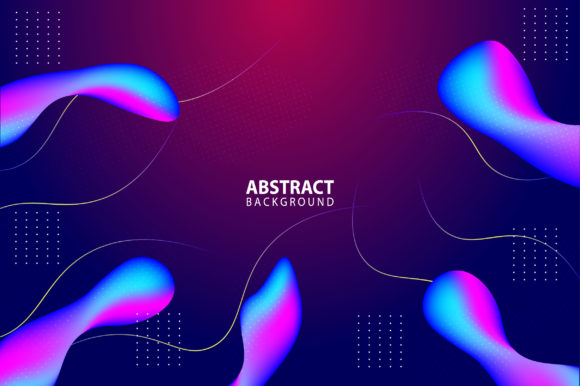
For example, a fintech company using a dark, grid-based vector background with subtle glowing lines can create a sense of structure and reliability. Meanwhile, a creative agency might prefer a bright, curvilinear design with wave-like motion to express fluidity and innovation.
In comparison to a flat white background, a dynamic abstract vector version adds visual warmth and character without sacrificing professionalism. Similarly, against a traditional paper texture background, it introduces a digital flair that resonates with modern audiences.
Decision Factors for Choosing the Right Background Type
Choosing between a dynamic abstract vector background and other options depends on several factors:
- Project Goals: Are you aiming for a high-tech look, emotional resonance, or simple elegance? Each goal influences the right background type.
- Target Audience: Younger demographics may respond better to vibrant, moving designs, while professionals might prefer more subdued and structured visuals.
- Technical Constraints: Evaluate device capabilities, internet speeds, and platform limitations before committing to a dynamic background.
- Content Hierarchy: Ensure the background supports—not competes with—the main content. High-contrast areas or motion zones can help highlight focal points.
- Brand Identity: Align the background style with your brand’s personality. A trendy, futuristic design may work for a tech firm, while a softer, geometric approach suits a wellness brand.
Alternatives to Consider
If a dynamic abstract vector background isn’t the best fit for your needs, here are some viable alternatives:
- Subtle Gradients: Ideal for minimalist designs, especially those focused on clarity and accessibility.
- Geometric Patterns: Non-moving abstract shapes that still provide visual interest and can be printed or scaled easily.
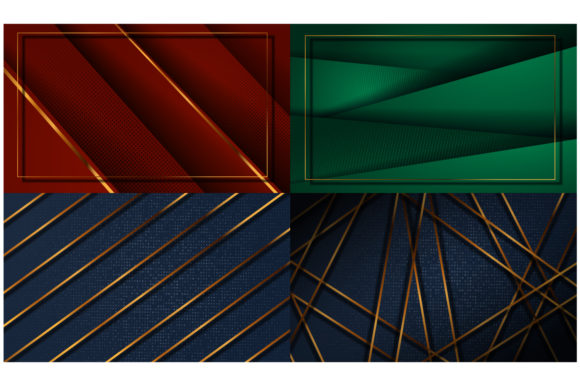
- Monochrome Schemes: Black, white, or grey backgrounds with line textures or structural elements for a sophisticated look.
- Parallax Scrolling: Offers depth through layered movement but is more complex to implement and may not be as scalable as vector-based solutions.
- Gradient Textures: Combine abstract color blends with subtle motion for a soft, ambient effect.
Conclusion
The Dynamic Abstract Vector Background is a powerful tool for designers and businesses seeking to blend creativity with functionality. Its unique combination of motion, abstraction, and vector scalability allows it to stand out in a variety of digital environments. However, it’s essential to weigh its strengths and limitations against your specific needs, audience preferences, and technical constraints.
By understanding how it compares to other design approaches and considering the context in which it will be used, you can determine whether it’s the right choice for your next project. Whether you're crafting a sleek corporate site, designing an interactive app, or building a personal portfolio, the dynamic abstract vector background remains a compelling option in the world of modern digital design.