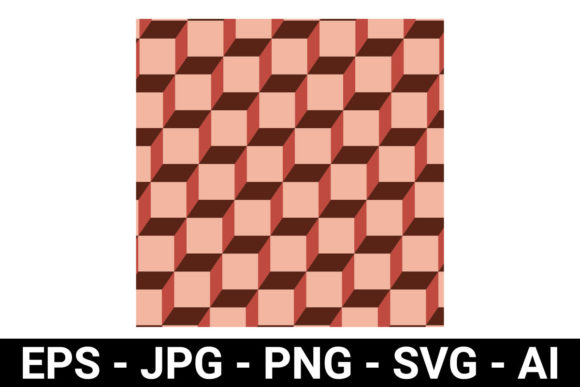
Cube Seamless Pattern for Background: A Versatile Design Element
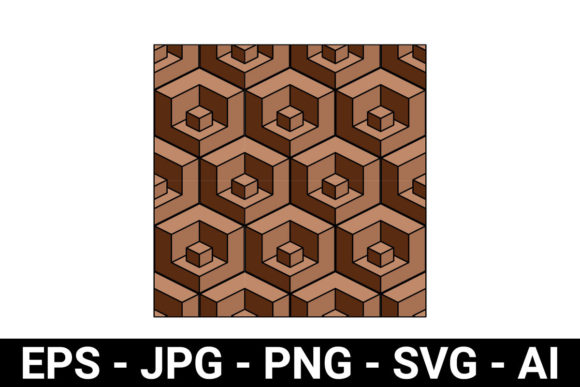
The Cube Seamless Pattern for Background is a powerful design tool that blends simplicity with visual intrigue. It consists of repeating cube motifs arranged in a way that allows them to tile seamlessly without visible edges or distortions. These patterns are widely used across industries, from digital design and fashion to interior decor and packaging. Their geometric nature makes them ideal for creating structured yet modern aesthetics, while the endless repetition ensures they work well as backdrops for both small and large-scale projects.
Understanding the Cube Seamless Pattern
At its core, the cube seamless pattern is a vector-based graphic featuring a series of interconnected cubes or blocks. The key feature is its seamless tiling capability, which means it can be repeated infinitely to cover any surface area without disrupting the visual flow. This is especially important in digital design where background consistency is critical.
Designers often use these patterns because they’re scalable and adaptable. Whether you're working on a website layout, a mobile app interface, or even fabric printing, the cube pattern maintains clarity at any resolution. Available in multiple file formats such as AI, EPS, SVG, JPG, and PNG, it’s easy to integrate into different workflows depending on your project needs.
Types of Cube Patterns
- Grid-Based Cubes: Perfect for clean, minimalistic designs. These offer structure and balance, commonly used in tech-related branding or modern UI/UX projects.
- 3D Illusion Cubes: Add depth and dimensionality to flat surfaces. Ideal for creative posters, product mockups, or eye-catching wallpapers.
- Bohemian or Mosaic-Inspired Cubes: Combine retro elements with artistic flair. Great for fashion prints, decorative fabrics, or eclectic interiors.
- Abstract Geometric Cubes: Minimalist yet dynamic, these patterns suit abstract art, brand logos, and contemporary backgrounds.
Integrating Cube Seamless Patterns Into Your Workflow
Seamless cube patterns are more than just aesthetic tools—they serve functional roles in various stages of design and production. Here’s how they fit into real-world workflows:
Before a Project Starts
When planning a new design project, consider the role of the background early on. If your goal is to create a backdrop that complements content without overpowering it, the cube seamless pattern is an excellent choice. Its neutral base allows for color overlays or text to stand out clearly.
For instance, before designing a presentation template, selecting a subtle cube pattern can help establish a cohesive visual identity. You might also use it during brainstorming sessions by setting it as a wallpaper to spark creativity and maintain focus on geometric themes.
During the Creative Process
Incorporate the cube pattern directly into your design software. Vector formats like AI and EPS allow for customization, enabling you to change colors, spacing, or orientation to match your brand or theme. Use it as a base layer in Adobe Photoshop, Illustrator, or Figma to build upon with other elements.
Designers who create packaging paper or textile patterns often overlay the cube motif with additional textures or gradients. This adds complexity while preserving the seamless quality. For web designers, using the pattern as a background element in CSS or layered within a design system ensures visual continuity across pages.
After Finalization
Once a design is complete, the cube pattern continues to provide value. In print materials, it serves as a consistent texture for brochures, business cards, or labels. In digital assets, it ensures that wallpapers or social media templates remain visually engaging when tiled or scaled.
For those involved in fashion illustration or fabric printing, the pattern can be saved in high-resolution PNG or JPG format for use in physical prototypes or online lookbooks. It's also useful for marketers who need to maintain brand coherence across promotional materials—like email headers or landing page banners.
Use Cases Across Industries
The versatility of the cube seamless pattern makes it suitable for a wide range of applications:
Interior Design
In interior decoration, cube patterns add a touch of modernity and sophistication. They work well as wall wraps, flooring accents, or even ceiling tiles. When paired with bold colors or metallic finishes, they can transform a space with a sense of movement and depth.
Fashion and Textiles
From apparel to accessories, the cube pattern offers a unique blend of retro charm and contemporary style. Fashion illustrators and textile designers use it as a repeatable motif for fabric prints, ensuring that each piece aligns perfectly when cut or sewn. Its modular nature also suits block-printing techniques, allowing for efficient and consistent output.
Graphic Design and Digital Art
Graphic designers leverage the cube pattern for backdrop creation, especially in abstract compositions. It acts as a foundational layer for adding typography, icons, or illustrations. The pattern’s clean lines make it compatible with both minimalist and maximalist styles, depending on how it's modified or layered.
Marketing and Branding
Branding professionals often incorporate cube patterns into their visual identities. They can be used subtly in website backgrounds or boldly in promotional banners. Since they come in vector formats, they scale beautifully for both digital screens and printed materials like packaging or signage.
Practical Tips for Using Cube Seamless Patterns
To get the most out of a cube seamless pattern, consider the following best practices:
- Choose the Right Format: For scalability and editing, go with AI, EPS, or SVG. For quick use in web or print, JPG and PNG are sufficient.
- Layer Thoughtfully: Use the pattern as a base layer and add semi-transparent overlays or textures to enhance its appearance without losing clarity.
- Test Tiling: Always preview the pattern in a tiling view to ensure there are no visible seams or misalignments. Most design software has a "tile" preview option.
- Maintain Color Harmony: Opt for monochromatic variations if you want a subdued effect or experiment with contrasting hues for a bolder statement.
- Optimize File Size: For digital use, compress images appropriately. For print, ensure CMYK color profiles are applied and resolutions are set to 300 DPI.
Workflow Example: Creating a Product Landing Page
Here’s a real-world workflow example of integrating the cube seamless pattern:
- Start by importing the pattern into your design tool (e.g., Figma or Adobe XD).
- Apply a soft gradient over the pattern to reduce intensity and make it more versatile.
- Add key visual elements like product images, call-to-action buttons, and brand text.
- Export the final design in multiple resolutions for desktop and mobile compatibility.
- Ensure the pattern remains in the background layer so it doesn’t interfere with interactive elements.
Factors to Consider for Long-Term Use
While the cube seamless pattern is a flexible asset, several factors should be considered to maximize its effectiveness:
- Preparation: Understand your project requirements before choosing a pattern. Will it be used for print or digital? What size will it need to be?
- Compatibility: Ensure the file type matches your platform. SVG works best for responsive web backgrounds, while AI/EPS is preferred for detailed edits.
- Organization: Keep pattern files organized in a dedicated folder. Label versions clearly, especially if you plan to modify the design later.
- Efficiency: Avoid unnecessary layers when exporting. A clean file ensures faster loading times and smoother integration into larger projects.
- Quality Control: Always zoom in to check for alignment issues or pixelation, especially in high-resolution outputs.
- Consistency: Use the same pattern across all related assets (e.g., emails, social posts, packaging) to reinforce brand identity.
Enhancing Creativity with Cube Patterns
One of the biggest advantages of the cube seamless pattern is its ability to evolve creatively. By adjusting colors, lighting effects, or stacking multiple cube layers, you can generate entirely new looks from the same base design. This adaptability is particularly valuable in fields like illustration or art direction, where a consistent yet evolving aesthetic is needed.
Experiment with transparency levels and blending modes to see how the pattern interacts with other design components. You might find that a slightly transparent cube grid enhances the readability of overlaid text or provides a subtle texture for photo backgrounds.
Combining with Other Tools and Assets
The cube pattern integrates smoothly with a variety of tools and resources:
- Adobe Creative Suite: Easily edit and customize the pattern using Illustrator or Photoshop. Apply filters, gradients, or layer masks for advanced effects.
- CSS and Web Development: Implement SVG or PNG versions as CSS background images. Use CSS properties like
background-repeatandbackground-sizeto control display behavior. - Print Platforms: Compatible with standard print software like InDesign or Canva. Make sure to adjust color profiles and resolution settings for optimal results.
- Collaboration Tools: Share editable AI/EPS files with team members for collaborative adjustments. Or distribute pre-exported PNG/JPG for client presentations.
Long-Term Benefits and Best Practices
Using the cube seamless pattern as part of your design process can lead to long-term efficiency and aesthetic consistency. Because it’s a modular element, you can reuse it across multiple projects, saving time on repetitive tasks. For creators managing large libraries of design assets, this kind of reusability is essential.
Additionally, since the pattern is available in vector form, it supports future modifications. As trends shift or brand guidelines update, you can tweak the cube design instead of starting from scratch. This not only improves productivity but also reduces waste in the design process.
Another benefit lies in its endless variation potential. With minor changes in spacing, angles, or color schemes, you can generate a new version of the pattern tailored to specific campaigns or products. This flexibility makes it a staple in many designers' arsenals.
Storing and Managing Files
Keep your cube pattern ZIP folder organized by separating files based on usage. For example:
- Vector Files: Store AI, EPS, and SVG in one subfolder for editing and scaling.
- Raster Files: Place JPG and PNG in another for quick deployment in digital platforms.
- Thumbnails: Generate low-res previews to help with selection and organization.
Label each file clearly, noting the color scheme, density, and intended use case. This helps streamline access and prevents confusion when working on multiple projects simultaneously.
Conclusion
The Cube Seamless Pattern for Background is a practical and stylish addition to any design toolkit. Its ability to tile seamlessly, adapt to different formats, and complement a wide range of visual styles makes it invaluable across industries. Whether you're enhancing a digital project or crafting a physical product, understanding how to implement and manage this pattern effectively can elevate your work significantly.
By considering preparation, compatibility, and organization, you can integrate the cube pattern into your workflow smoothly. Its enduring appeal and endless customization options ensure it remains relevant in both current and future design trends.